

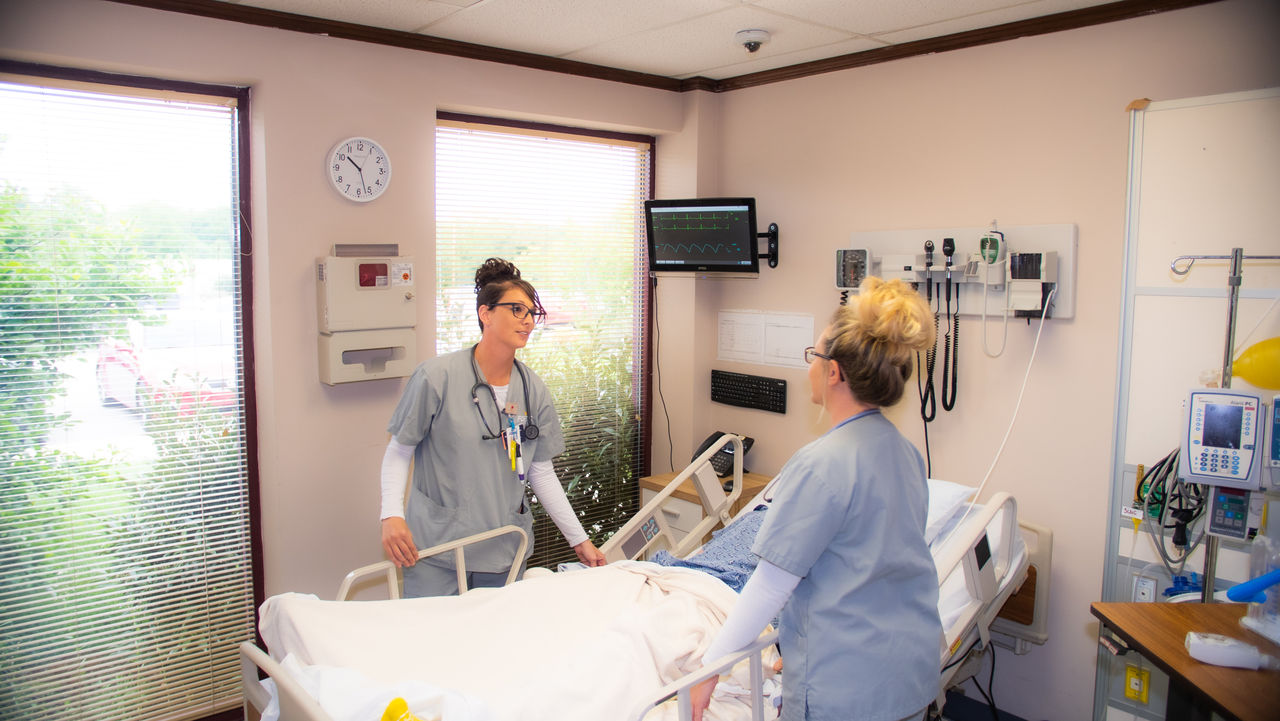
In nursing, communication skills are essential for keeping patients safe. Strong communication is something nurses rely on every single day. Whether you're calming a worried patient, coordinating with a care team, or explaining next steps to a family, how you communicate can directly impact outcomes.
Why Is Communication Important in Nursing?
Healthcare organizations that prioritize strong nurse-patient communication tend to see higher levels of patient satisfaction. On the other hand, poor communication can lead to inadequate care, faulty treatment plans, and poor patient outcomes.
This can also contribute to frustration, burnout, and even nurses leaving the profession.
A study published in Patient Education and Counseling highlights how effective communication—including verbal and nonverbal communication, active listening, and conflict resolution—plays a critical role in quality of care, teamwork, and patient trust.
How Communication Impacts Patient Care
Medical care teams that communicate proactively are better prepared to prevent injuries, treat illnesses, and educate patients and their families.
When nurses and healthcare teams consistently share information, they can:
Build stronger patient relationships
Improve assessments
Reduce errors
Increase adherence to treatment plans
Essential Communication Skills for Nurses
The following are examples of key communication skills in nursing:
1. Verbal Communication
Because they spend a significant portion of their day engaging with patients and healthcare colleagues, nurses must have the verbal skills to communicate clearly and professionally. This helps ensure that nurses will accurately convey important information about injuries, illnesses, and treatment options to patients and doctors.
2. Nonverbal Communication
Nurses also use their body language when talking to patients. Nonverbal communication cues should signal that nurses are calm and confident, which helps patients feel better. Examples of these nonverbal skills include nodding, making eye contact with the patient, and having a relaxed facial expression. It is important to present a welcoming, open demeanor and avoid physical cues that patients could perceive negatively, such as crossed arms. Nurses can also help patients feel at ease by giving them enough personal space.
3. Active Listening
Lack of support can deter patients from seeking medical help or following recommended treatments. To encourage patients to share their views and feel supported, nurses should express respect and empathy by applying their active listening skills. A nurse who practices active listening demonstrates that they are paying attention to what their patient is saying, makes an effort to understand their needs and concerns, and asks thoughtful follow-up questions.
4. Compassion
When patients and their families are faced with difficult situations — such as a serious illness, a medical crisis, or end-of-life care — they often experience a range of emotions like grief, confusion, and fear. Compassion is a fundamental skill that allows nurses to also address the emotional and psychological well-being of patients and families during challenging times.
5. Cultural Awareness
Effective communication also means being sensitive to cultural differences. Hospitals often provide language services. Beyond language, however, being sensitive to cultural norms and distinctions allows nurses to appreciate and understand how culture can influence the impact of healthcare and its delivery.
6. Patient Education
Engaging with patients' families through informative discussions about discharge, medications, follow-up, and home healthcare is essential. Doing so helps patients understand how to stay safe and continue healing in their homes. When patients and their families are well informed and prepared, they are more likely to adhere to treatment plans, manage their conditions effectively, and avoid complications, ultimately contributing to improved health outcomes and a higher quality of life.
Many nurses already have strong communication skills—but even the most effective communicators benefit from continued development. For those looking to grow in their careers, nursing programs often include training in communication techniques that support better patient care and stronger collaboration within healthcare teams.
Benefits of Earning a Nursing Degree
Strong communication skills are just one part of becoming a well-rounded nurse. Earning a nursing degree can open the door to a wide range of opportunities, including:
Pursuing career advancement and professional development
Specializing in areas such as surgical nursing, pediatrics, geriatrics, oncology, or diabetes management
Developing skills that can translate to managerial or advanced clinical roles
Working in diverse healthcare settings, including positions in schools and outpatient centers, as well as non-clinical roles in education and administration
Staying up to date with ongoing changes in the field, including emerging technologies and new clinical nursing skills
Build a Future in Nursing
Effective communication is critical to the success of nursing teams, improving collaboration, patient satisfaction, and overall health outcomes. With demand for nurses rising due to an aging U.S. population and other factors, this field offers a wide range of opportunities across healthcare settings.
Employment of RNs is projected to grow by 5% over the next decade—faster than the average for all occupations—according to the U.S. Bureau of Labor Statistics (BLS)—faster than the average for all occupations.
Take the Next Step Toward a Nursing Career
Fortis can help students develop the skills needed to succeed—including the communication techniques that are so essential in patient care.
Fortis nursing programs include:
An Associate Degree in Nursing (ADN) program for aspiring registered nurses
A Practical Nursing program for those pursuing LPN/LVN roles
Learn how Fortis nursing programs can help you build confidence, strengthen your communication skills, and prepare to make a meaningful impact in healthcare. Submit the form on this page to get started.
Recommended Readings
How Long Does It Take to Become a Nurse?
LPN vs. RN: What’s the Difference?
How to Become a Pediatric Nurse
Sources:
Agency for Healthcare Research and Quality, “Nursing and Patient Safety”
American Association of Critical-Care Nurses, “Skilled Communication”
AMN Healthcare, “10 Essential Nurse Communication Skills”
BMC Health Services Research, “Quality Communication Can Improve Patient-centered Health Outcomes Among Older Patients: A Rapid Review”
Dovetail, “What Is Effective Communication In Nursing?”
HIPAA Journal, “Effects of Poor Communication in Healthcare”
Indeed, “Communication Skills in Nursing: Definition and Examples”
Keona Health, “Nursing: Why Brilliant Communication Skills Are Crucial For Care”
Patient Education and Counseling, “The Aspects of Healthcare Quality That Are Important to Health Professionals and Patients: A Qualitative Study”
U.S. Bureau of Labor Statistics, Registered Nurses